
In the quiet outskirts of a growing industrial zone, an electrical engineer oversees the final placement of a compact substation. The challenge isn’t just about power distribution; it’s about fitting high-capacity equipment into a restricted footprint while ensuring long-term thermal stability. This scenario is becoming common as infrastructure projects demand more specialized, space-saving, and reliable power units.
For many global developers, the search for efficiency leads to the integration of an OEM Substation Design & Equipment Solutions From China, where manufacturing precision meets the agility of custom engineering. Shenheng Power Equipment Co., Ltd., known in the industry as CHSH, has spent over two decades refining this balance, providing an OEM Substation Solutions framework that transforms complex grid requirements into streamlined, operational assets.
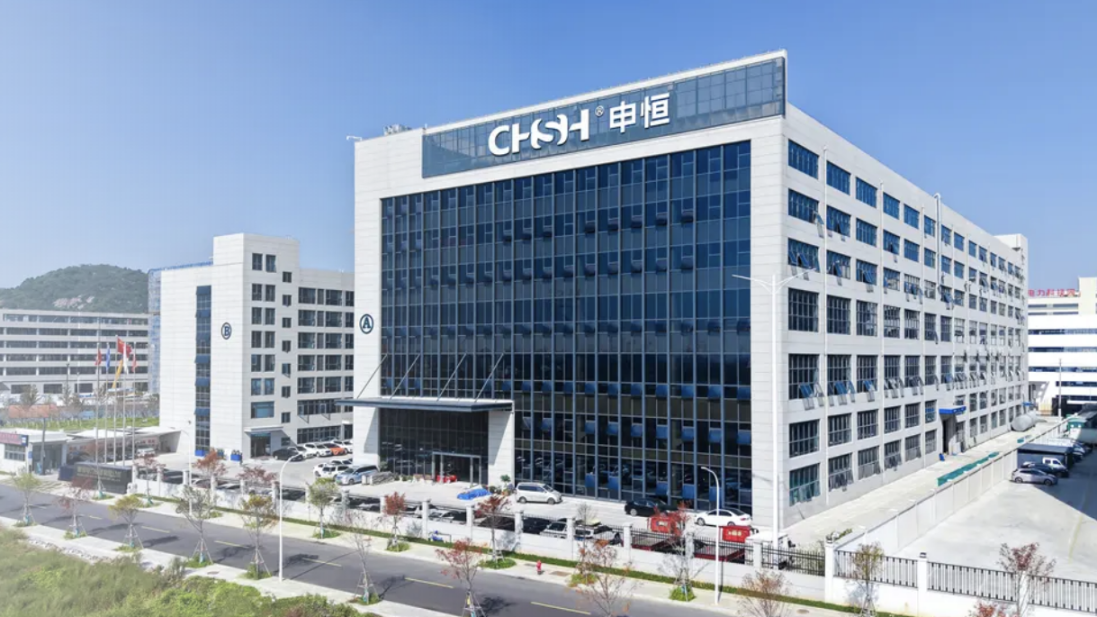
The journey of CHSH began in 2001, a period when the demand for robust transmission and distribution equipment was surging alongside rapid urbanization. Over the last twenty-four years, the company has transitioned from a specialized component manufacturer to a comprehensive producer of high and low-voltage switchgear and distribution equipment. As a recognized supplier for the State Grid of China, CHSH has had to maintain rigorous quality standards, which naturally translated into their international OEM services. The company’s history is rooted in the practical application of electrical engineering—moving from simple transformers to sophisticated, fully insulated and fully sealed inflatable cabinets. This evolution wasn’t driven by abstract market shifts but by the specific needs of site managers who required equipment that could withstand harsh environmental conditions without frequent maintenance.
Today, the technical R&D team at CHSH focuses on the micro-details of equipment durability. Their product portfolio includes environmental protection gas ring main units and intelligent solid insulated ring main units, which reflect a move toward more sustainable materials in substation construction. Unlike standard mass-produced units, the core advantage of CHSH lies in its after-sales service system and the stability of its production line. By maintaining control over the manufacturing of high and low-voltage electrical components in-house, they ensure that every piece of oem substation equipment integrated into a larger system meets the exact mechanical and electrical tolerances required for longevity.
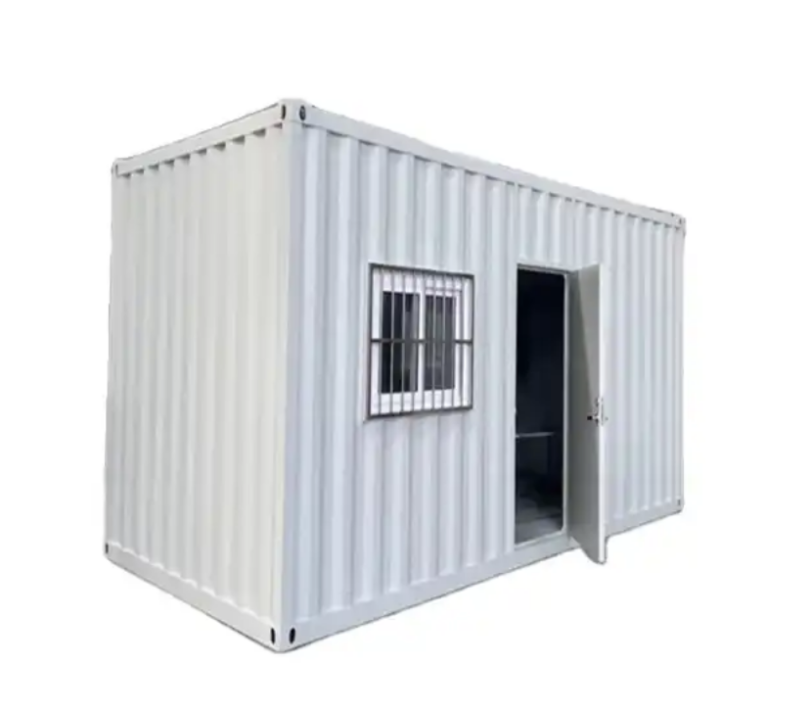
Optimizing oem substation solutions requires more than just high-quality hardware; it demands a deep understanding of the site-specific variables that affect performance. At CHSH, the optimization process begins with a granular analysis of the project’s thermal and spatial constraints. For instance, when designing prefabricated substations, engineers focus on the ventilation pathing and the structural integrity of the enclosure. This ensures that even in high-load scenarios, the internal transformers and switchgear operate within optimal temperature ranges, reducing the risk of premature insulation aging.
To achieve a truly optimized design, the following steps are typically employed by CHSH experts to refine oem substation equipment delivery:
Comprehensive Site Requirement Analysis
The first step involves evaluating the specific environmental and electrical load profiles. Whether it is a 33kV 1250kVA compact loop switch type transformer substation or a pad-mounted unit for a residential area, the design must account for local weather patterns, dust ingress, and seismic requirements. CHSH utilizes its R&D expertise to adjust the material thickness and coating of the prefabricated containers, ensuring the oem substation solutions are resilient against corrosion in coastal or high-humidity regions.
• Modular Integration of Components
A key strategy in optimization is the use of modular layouts. By utilizing intelligent solid insulated ring main units and outdoor high-voltage cable branch boxes, CHSH can reduce the overall footprint of the substation. This modularity allows for faster assembly on-site and provides the flexibility to scale the equipment if the power demand increases in the future. The integration of fully sealed inflatable cabinets further enhances safety by protecting live parts from external environmental factors.
• Thermal Management and Airflow Simulation
For photovoltaic prefabricated container distribution transformer substations, heat dissipation is a critical factor due to the constant energy throughput. Optimization involves calculating the precise placement of louvers and fans. CHSH engineers design these units to facilitate natural convection where possible, supplemented by intelligent cooling systems that only activate when necessary, thereby improving the overall energy efficiency of the oem substation solutions.
• Advanced Insulation and Sealing Techniques
The longevity of oem substation equipment is often determined by its protection against moisture and contaminants. CHSH employs advanced gas-insulated technologies (GIS) and solid insulation to eliminate the risk of internal arcing. These technologies are particularly beneficial in compact designs where internal clearances are tight, ensuring that the substation remains compact without compromising on safety or dielectric strength.
• Rigorous Testing and Quality Assurance
Before leaving the factory, every unit undergoes a series of dielectric, mechanical, and thermal tests. This ensures that the custom-engineered solutions perform exactly as simulated. By acting as a single-source manufacturer for both the enclosure and the internal components like transformers and cabinets, CHSH eliminates the compatibility issues that often plague third-party integrated systems.
The practical benefits of these optimized oem substation solutions are most visible in the renewable energy sector. Photovoltaic power stations, for example, require rapid deployment and high reliability. The prefabricated container solutions from CHSH allow for “plug-and-play” installation, significantly reducing the time spent on civil works and field wiring. This efficiency is a direct result of the company’s focus on the technical nuances of distribution—ensuring that every cable connection and switchgear interface is optimized for low resistance and high durability.
Furthermore, the customization of 33kV compact substations demonstrates the company’s ability to meet diverse international standards. By tailoring the internal layout of the transformer and the loop switchgear, they provide a solution that fits the specific operational habits of local utility workers, enhancing both safety and ease of use. This level of detail-oriented engineering is what distinguishes a standard supplier from a partner in oem substation equipment.
Ultimately, the optimization of substation design is a continuous process of refinement. It involves looking at the small components—the bushings, the seals, and the relays—and understanding how they contribute to the reliability of the entire grid. With a foundation built on over two decades of production excellence and a commitment to technical R&D, Shenheng Power Equipment Co., Ltd. provides the expertise necessary to navigate these complexities. Their approach ensures that infrastructure projects are supported by equipment that is not only efficient and compact but also built to endure the rigors of modern electrical demand.
For more information on customized power distribution and substation solutions, visit the official website of Shenheng Power Equipment Co., Ltd. at https://www.shenhengpower.com/.
Post time: Mar-30-2026