
How does a remote mining site in the high altitudes of Central Asia maintain a steady power supply despite extreme temperature swings? What ensures that a sprawling new industrial park can scale its energy infrastructure in weeks rather than years? Can a modular electrical system truly withstand the rigorous demands of a heavy-duty manufacturing grid while adhering to the strictest international safety protocols? These are the practical challenges facing modern infrastructure developers who require rapid deployment without sacrificing reliability.
In this high-stakes environment, Shenheng Power Equipment Co., Ltd. (CHSH) has emerged as a China Top Industrial Grade Modular Substation Exporter, providing sophisticated prefabricated power solutions that bridge the gap between traditional civil engineering and modern industrial efficiency.
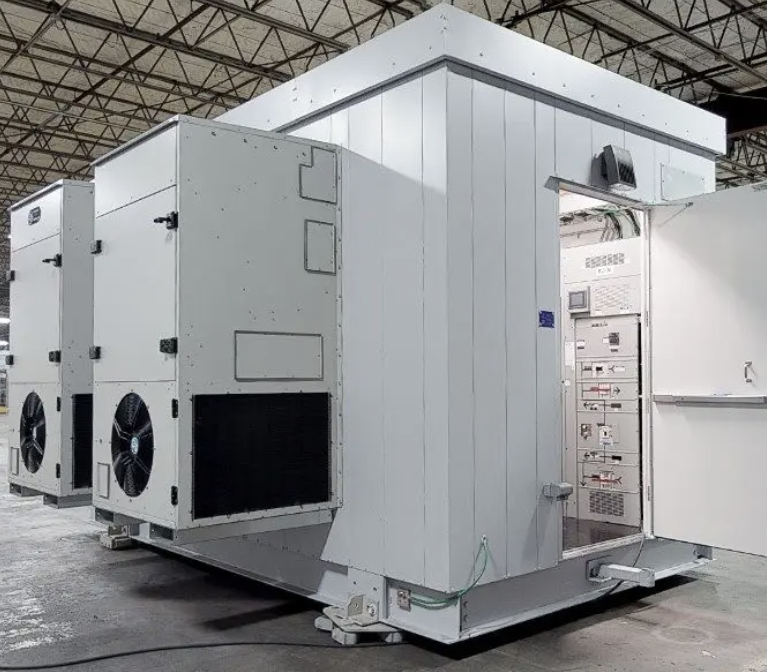
An Industrial Grade Modular Substation serves as the critical node in power distribution, housing transformers, high-voltage switchgear, and automated control systems within a weather-resistant, factory-tested enclosure. From residential ring network power supplies to intensive industrial load centers, these units allow for a “plug-and-play” approach to electrical grid expansion.
Navigating the Technical Rigor of IEC Certifications
The international power equipment market is governed by a complex web of technical requirements, and for a modular substation China exporter, the IEC (International Electrotechnical Commission) standards represent the ultimate benchmark of engineering integrity. These certifications are not merely administrative hurdles; they are rigorous technical evaluations that scrutinize every component of a substation. For instance, the IEC 62271 series specifically addresses high-voltage switchgear and controlgear, ensuring that the equipment can handle internal arcing faults and mechanical endurance tests. When an industrial grade modular substation carries these certifications, it signifies that the insulation distances, temperature rise limits, and short-circuit withstand capabilities have been verified under laboratory conditions that simulate the harshest real-world electrical stresses.
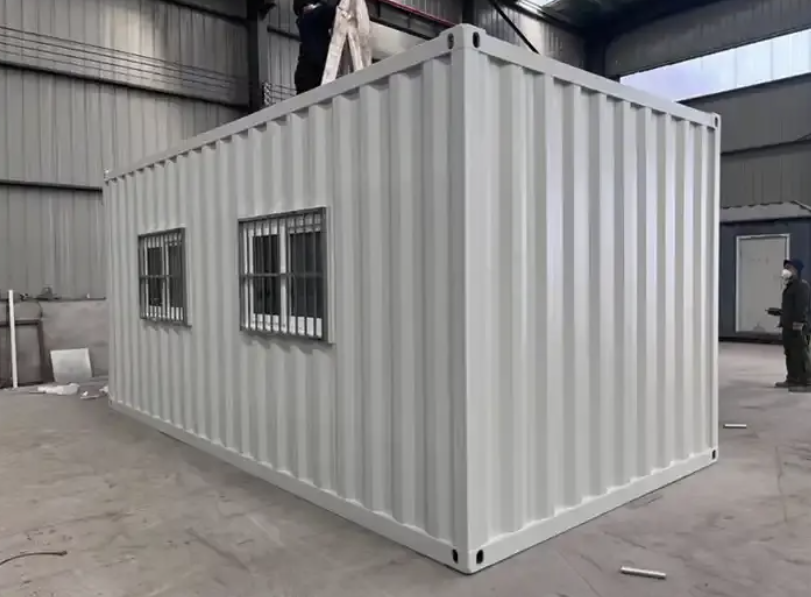
For a manufacturer like CHSH, maintaining IEC compliance involves a meticulous focus on material science and structural engineering. The certifications validate that the high-voltage cable branch boxes and gas-insulated switchgear (GIS) utilized within their substations are built to prevent gas leakage and ensure dielectric strength over a decades-long service life. In the micro-details of a project, this means that a maintenance technician in a different hemisphere can trust that the grounding systems and interlocking mechanisms operate exactly as specified in the international code. This technical transparency reduces the operational risk for project owners, ensuring that the equipment is compatible with global grid standards without the need for costly on-site modifications.
The Strategic Value of International Standardization
The pursuit of IEC certifications reflects a commitment to long-term reliability that goes beyond a single transaction. In the context of an industrial grade modular substation, these standards dictate the quality of the “shell” as much as the “core.” This includes the IP (Ingress Protection) ratings of the enclosure, which must prevent the entry of dust and moisture in coastal or desert environments. For an exporter, these certifications act as a universal language. They eliminate the ambiguity often found in regional technical specifications, allowing for a more streamlined procurement process.
By adhering to these global benchmarks, CHSH ensures that their prefabricated substations provide a stable thermal environment for the internal transformers. This is critical because even a slight deviation from standard operating temperatures can significantly shorten the lifespan of electrical insulation. The rigorous testing required for IEC labeling ensures that the ventilation systems and cooling cycles are optimized for continuous duty, even when the industrial grade modular substation is operating at peak capacity in a dense industrial zone.
Engineering Excellence in Prefabricated Substation Design
The shift toward modularity in power distribution is driven by the need for spatial efficiency and reduced onsite labor. A modular substation China exporter must provide solutions that are both compact and highly functional. The ZGS-12kV American-type pre-installed substation and the European-type high-voltage complete sets offered by CHSH illustrate two different approaches to this challenge. The American-type unit is noted for its integrated structure, where the transformer core and the high-voltage load break switch are housed in the same oil tank, resulting in an incredibly small footprint. This makes it an ideal industrial grade modular substation for urban ring network power supplies where land is at a premium.
Conversely, the European-type substation offers a more segmented approach, with separate compartments for high-voltage, transformer, and low-voltage sections. This design allows for greater flexibility in component selection and easier access for routine maintenance. Both designs are factory-assembled and tested, which fundamentally changes the project timeline. Instead of pouring concrete and wiring individual components in the field—a process prone to weather delays and human error—the industrial grade modular substation arrives as a finished product, ready for final connection.
Global Project Delivery and Client Collaboration
The practical application of these technologies is best seen through successful international collaborations. In one instance, a large-scale mining operation in Southeast Asia required a rapid upgrade to its power distribution network to support new processing equipment. As a modular substation China exporter, CHSH provided a series of custom-engineered prefabricated units that were treated with specialized anti-corrosion coatings to withstand the high humidity and tropical rainfall of the region. By delivering a fully integrated industrial grade modular substation, the project team was able to shave four months off the construction schedule compared to a traditional brick-and-mortar substation.
In another case, a European renewable energy developer sought a solution for a wind farm project that required reliable 10kV to 35kV step-up transformation. The challenge was ensuring that the equipment met the specific safety and environmental regulations of the local grid while remaining cost-effective. The resulting industrial grade modular substation deployment utilized high-voltage cable branch boxes and intelligent solid insulated ring main units, providing a maintenance-free solution that satisfied both the technical inspectors and the project’s budget constraints. These projects highlight the advantage of working with a partner that understands the nuances of global logistics and site-specific engineering requirements.
Advancing Distribution Efficiency with Intelligent Components
The modern industrial grade modular substation is no longer a “passive” piece of iron and copper. It is increasingly becoming an intelligent node within a smart grid. CHSH integrates environmental protection gas ring main units and intelligent solid insulated switchgear that allow for real-time monitoring of electrical parameters. This capability is essential for industrial clients who cannot afford unplanned downtime. By monitoring the “health” of the industrial grade modular substation, operators can predict potential issues before they lead to a failure, transitioning from reactive maintenance to a predictive model.
Furthermore, the use of fully insulated and fully sealed inflatable cabinets ensures that the internal electrical components are protected from environmental contaminants. This is particularly important for a modular substation China exporter serving clients in heavy industrial sectors, such as chemical processing or steel manufacturing, where the air may contain corrosive particulates. The sealed design maintains the integrity of the dielectric medium, ensuring that the industrial grade modular substation performs consistently throughout its intended service life.
A Legacy of Technical Precision and Service
Since its establishment in 2001, Shenheng Power Equipment Co., Ltd. (CHSH) has focused on the intersection of technical R&D and manufacturing excellence. As a recognized supplier for the State Grid of China, the company has refined its production processes to meet the highest levels of scrutiny. This experience translates directly to the international market, where a modular substation China exporter must demonstrate both scale and precision. The internal R&D teams at CHSH focus on optimizing the mechanical layout of each industrial grade modular substation to maximize safety and thermal performance.
Beyond the hardware, the success of global project delivery relies on a robust after-sales service system. Providing technical support across different time zones and languages is a core component of being a reliable modular substation China exporter. Whether it is providing detailed installation manuals or remote technical consultations, the goal is to ensure that the industrial grade modular substation operates at peak efficiency from the moment it is energized. This comprehensive approach—combining IEC-certified hardware with professional project management—is what defines the modern landscape of international power distribution.
For more information on industrial power solutions and prefabricated equipment, please visit: https://www.shenhengpower.com/.
Post time: Mar-29-2026